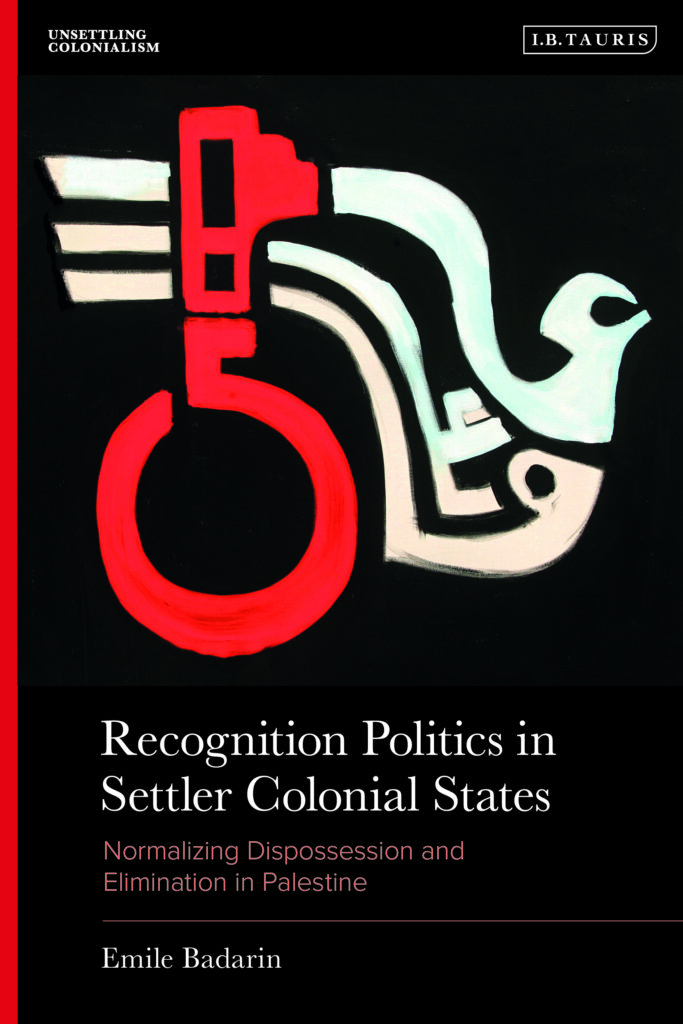
Recognition Politics in Settler Colonial States
- A groundbreaking analysis of how recognition politics operate as a tool of elimination — showing how settler colonial states actively pursue recognition to legitimize dispossession of indigenous peoples.
- A critical analysis of settler colonialism, recognition politics and indigenous resistance.
- A timely policy-relevant examination of the Palestine-Israel question through multidisciplinary lenses.
Connect |


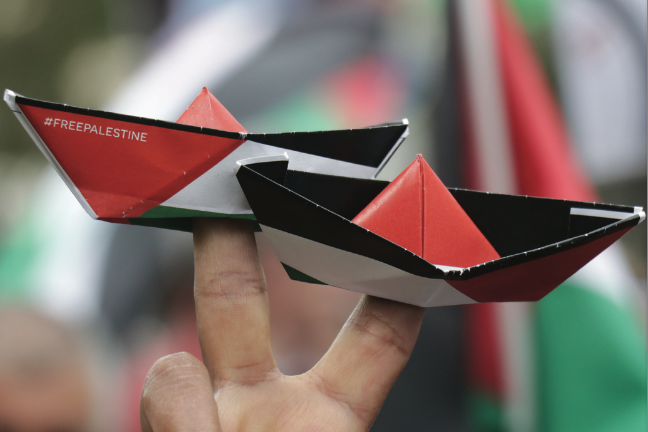
The Hollow Promise of Recognition in the Shadow of the Genocide in Gaza
The recent wave of recognition of the Palestinian state comes at a moment when an unprecedented combination of Zionist settler-colonial eliminatory practices, including ethnic cleansing, urbicide, territorial appropriation, and genocide, threatens the very existence of the Palestinian people. This piece argues that such recognition is hollow…
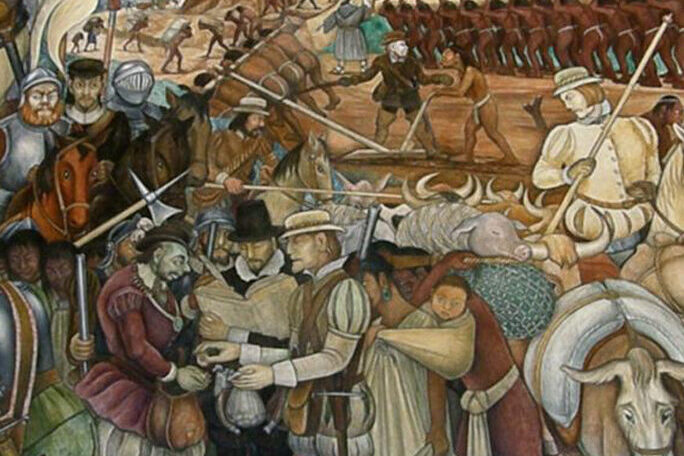
Decolonising faith: Palestinian Liberation Theology in the context of settler-colonialism
Palestinian Liberation Theology (PLT) aims to establish a decolonial Indigenous theology for justice and liberation. However, its reliance on the occupation paradigm and progress narrative limits its vision, aligning it with dominant colonial discourse.

Foreign Policy and the Performance of Collective State Recognition Amidst Genocide
In today’s multipolar world, recognition of disputed territories is increasingly driven by geopolitical power plays rather than established legal norms like territorial integrity and self-determination. Major powers are using recognition as a tool to legitimise conquest and occupation, exposing a widening gap between how recognition should work in principle and how it actually plays out in practice.
Politics, geography and recognition in the emerging multipolar world order
In today’s multipolar world, recognition of disputed territories is increasingly driven by geopolitical power plays rather than established legal norms like territorial integrity and self-determination. Major powers are using recognition as a tool to legitimise conquest and occupation, exposing a widening gap between how recognition should work in principle and how it actually plays out in practice.